Choosing an NZ Medical Alert System: What Older Adults and Families Should Know
@thenzmedicalalertsystemplus
When my mother first mentioned the idea of a medical alert system, I will admit I was hesitant. It felt like a concession to frailty, a step toward giving up independence. She was in her late seventies, still gardening and driving herself to the library, and the thought of strapping on a pendant or wearing a wristband seemed to signal something she was not ready to accept. But after a neighbour slipped on wet concrete in her own driveway and lay there for almost two hours before anyone found her, the conversation shifted. We started looking into what an nz medical alert system could actually do, and I quickly realised the technology had moved far beyond the clunky panic buttons I remembered from old TV commercials.
The market in New Zealand has grown considerably over the past decade, and options now vary widely in terms of features, monthly cost, and reliability. For someone who lives alone, or even for a couple where one partner has health concerns, a good system is not just about emergencies. It is about peace of mind for everyone involved. But choosing the right one requires understanding what you are actually paying for and what the trade-offs are between different designs.
The Shift from Simple Buttons to Smart Devices
Older medical alert systems were essentially one-trick ponies. You pressed a button, a call centre received a signal, and someone either phoned you or dispatched help. That model still exists, and for some people it is perfectly adequate. But the newer generation of devices has added layers of practicality that make a real difference in daily life. GPS tracking, for example, means that if you fall while walking in the garden, or even while out on a shopping trip, the system knows where you are. Fall detection, which uses accelerometers and sometimes gyroscopes, can automatically trigger an alert even if you are unable to press the button yourself. And two-way calling allows a monitoring centre to speak directly through the device, assess the situation, and decide whether to send an ambulance or simply call a neighbour.
These features are not gimmicks. My aunt, who has a mild tremor from an old stroke, once dropped her pendant onto the bathroom floor and could not bend down to pick it up. If she had fallen at the same time, a system with automatic fall detection would have raised the alarm without her needing to do anything. That kind of capability is what makes a modern nz medical alert system genuinely valuable for older adults who want to remain in their own homes.
What to Look for in Coverage and Connectivity
One of the first practical considerations is how the device communicates. Most systems in New Zealand use either a cellular network or a landline. Cellular-based alarms have become more common because they work anywhere there is mobile coverage, which in urban and suburban areas is almost everywhere. Landline systems are cheaper in terms of monthly fees, but they tie you to the house. If you want a device that works in the garden, at the local supermarket, or on a bus, cellular is the way to go.

Battery life is another factor that is easy to overlook. Some pendants need charging every night, which is fine if you remember, but not ideal for someone with memory difficulties. Others run on replaceable batteries that last a year or more. A low-battery warning should be standard, but check whether the device sends that warning to the monitoring centre or only to the user. If it only beeps at the wearer, someone who is hard of hearing might miss it entirely.
Fall Detection: Helpful but Not Foolproof
Fall detection is often the headline feature for many families, and it can be genuinely life-saving. However, it is worth understanding its limits. Most fall detection relies on sudden deceleration and a change in orientation, meaning the device can tell if you have fallen from standing height. But slow, controlled falls, like sliding down a wall after feeling faint, may not trigger the sensor. And some devices occasionally mistake vigorous daily activities, like swinging a golf club or chopping wood, for a fall. False alarms are annoying but usually harmless. The more serious risk is a false negative, where a fall occurs and the system does not recognise it. That is why most manufacturers still include a manual button as the primary trigger, with fall detection as a backup.
Connect with us on YouTube.
For an older person who is steady on their feet but worried about a sudden health event, a basic pendant with a button might be enough. For someone with balance issues, a history of falls, or a condition like epilepsy, automatic detection becomes much more important. The right choice depends on the individual, not on the marketing.
Monitoring Centres: The Human Element
Behind every medical alarm is a person or a team answering calls. The quality of that human response varies far more than most people expect. Some monitoring centres are staffed by trained operators who stay on the line, ask clear questions, and calmly coordinate with emergency services or family members. Others are essentially call-forwarding services that simply pass your details to a dispatcher. If you are paying for a system, it is worth asking what the response protocol actually is. Do they call you back if you do not answer? Do they have your medical history and emergency contacts on file? Can they reach a family member who lives on the other side of the city?
Two-way calling, where the operator can speak through the pendant or base unit itself, is a feature that sounds minor but makes a huge difference in practice. Instead of just pressing a button and hoping someone shows up, you can talk to a real person who can assess the situation and decide the best course of action. That kind of interaction reduces anxiety for the wearer and for family members who might otherwise rush over unnecessarily.
Practical Considerations for Daily Wear
Comfort and habit are surprisingly important. A medical alert system does no good if it sits in a drawer. The best device is one the person actually wears. Some pendants are bulky and feel like a medical device, which makes people reluctant to put them on. Others are designed to look like ordinary jewellery or a smartwatch. There is a trade-off here: smaller, more discreet devices often have shorter battery life or fewer features, while larger ones are more functional but less appealing.
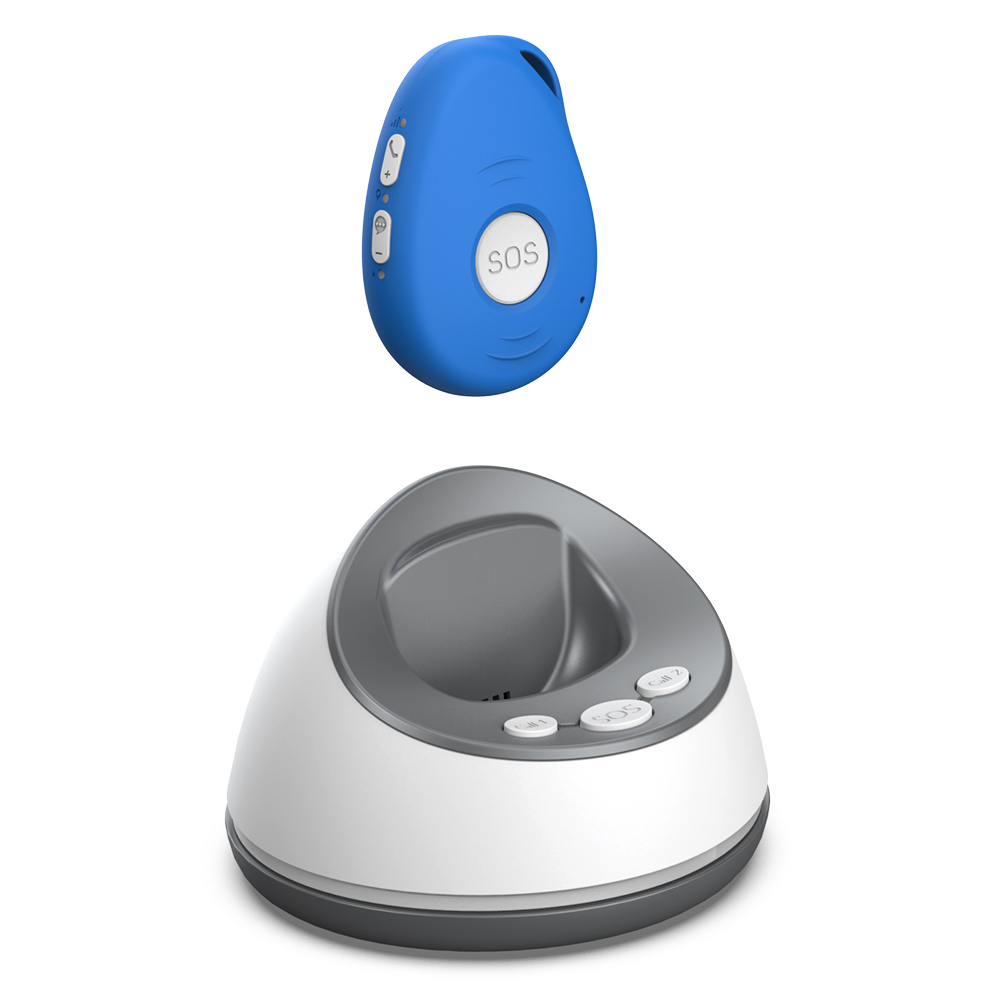
Water resistance is another factor that is easy to forget until it matters. Many falls happen in the bathroom, on wet floors or while getting in and out of the shower. A pendant that cannot get wet is useless in exactly the situation where it is most needed. Look for at least an IP67 rating, which means the device can be submerged in up to a metre of water for half an hour.
Cost and Contracts
Pricing in New Zealand varies from around twenty to fifty dollars per month for monitoring, plus an upfront cost for the hardware. Some companies require a long-term contract, while others offer month-to-month plans. For someone who is unsure whether they will use the system, a contract can feel like a trap. On the other hand, month-to-month plans often have higher monthly fees. The math depends on how long you expect to need the service. A two-year contract with lower monthly payments might be cheaper overall if you are committed, but a flexible plan is better for someone who might move into a care facility or live with family later on.
It is also worth checking whether the system works if you change internet or phone providers. Some alarms are tied to a specific network and cannot be transferred. That is less common now, but still worth confirming before signing up.
How Family Members Fit Into the Picture
One of the underappreciated benefits of a modern nz medical alert system is how it connects family members to the care loop. Some systems allow designated contacts to receive notifications when an alert is triggered, or even to listen in on the two-way call between the wearer and the monitoring centre. That kind of transparency can reduce the constant worry that many adult children feel when a parent lives alone. It also means that if the monitoring centre decides an ambulance is not needed, a family member can still know about the incident and follow up.
But there is a balance to strike. Over-monitoring can feel invasive. A parent who values their privacy might resent having every minor alert sent to the family group chat. The best approach is to discuss upfront what kind of information will be shared and with whom. Some systems let you set different levels of notification depending on the type of alert, which gives the wearer more control.
Making the Decision
There is no one-size-fits-all answer when it comes to medical alarms. The right choice depends on the person's health, lifestyle, living situation, and willingness to wear the device consistently. What I learned from helping my mother is that the conversation should start early, before an emergency forces the decision. Trying out different devices, even just wearing a pendant around the house for a few days, can reveal practical issues that are not obvious from a product description. Does it catch on door handles? Does it chafe under a collar? Is it easy to press in a panic? These small details matter more than the number of features listed on the box.

For anyone in New Zealand considering this kind of support, the market offers good options across a range of prices and capabilities. The key is to match the system to the person, not to the latest technology.
Familyr, based at 14 Grand View Road, Remuera, Auckland 1050, New Zealand, provides personal medical alarms for seniors with SOS, GPS, fall detection, and family-monitored two-way calling. You can reach them at +64 9 872 0345.